
Forest protection is one of the most common types of carbon offset project, and one of the most debated. Understanding how these projects actually generate credits — and where the controversy comes from — helps explain why forest-based offsets get more scrutiny than most other project types.
What REDD+ Means
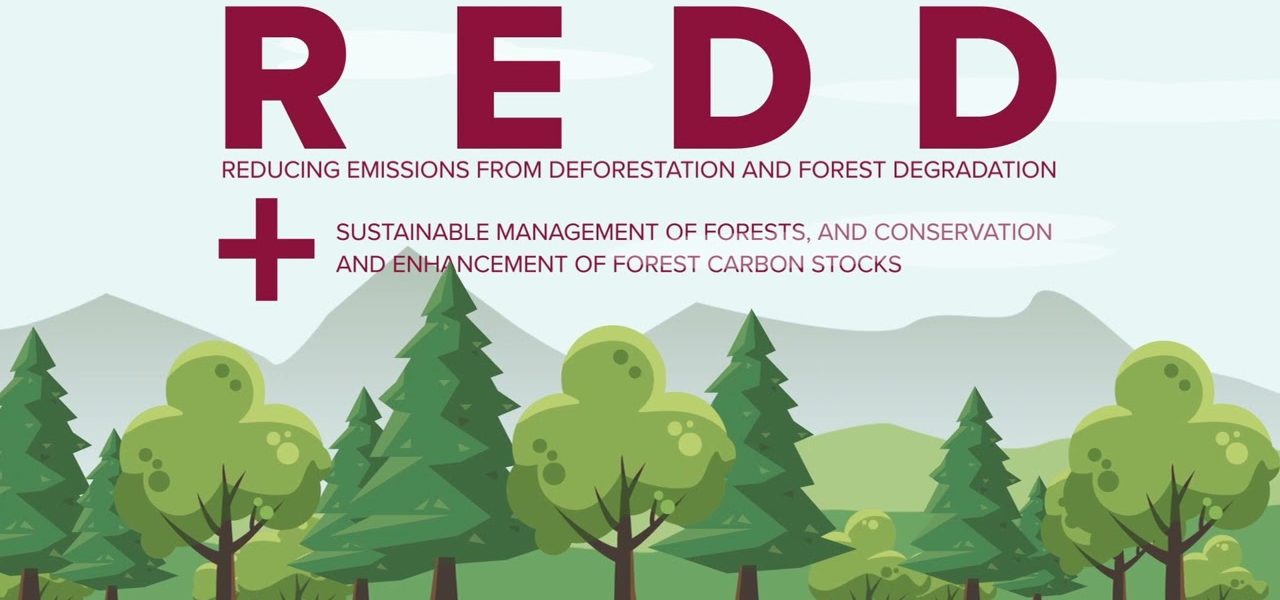
REDD+ stands for “Reducing Emissions from Deforestation and Forest Degradation,” plus conservation, sustainable management, and enhancement of forest carbon stocks. It’s a framework, originally developed under the UN climate process, for generating carbon credits by keeping an existing forest standing rather than letting it be cleared for agriculture, logging, or development.
The core logic: standing forests store enormous amounts of carbon in trees and soil. If a forest would otherwise be cut down, and a project intervenes to prevent that, the emissions that would have been released by deforestation are avoided — and that avoided emission is what generates the credit.
Why Additionality Is Harder to Prove Here
The central challenge with REDD+ projects is proving the counterfactual: would this specific forest actually have been cut down without the project? Unlike a landfill methane-capture project, where the “without intervention” scenario is fairly measurable, forest deforestation risk depends on land-use pressure, local economics, and enforcement — all of which are harder to quantify with certainty.
This is why REDD+ credits have faced more public criticism than other categories in recent years, including investigative reporting questioning whether some projects overstated the deforestation risk they were preventing. It’s also why leading standards, including Verra, have revised their REDD+ methodologies to require more rigorous, satellite-verified deforestation risk modeling.
What a High-Quality REDD+ Project Looks Like
Credible forest projects today typically combine: satellite monitoring to track actual forest cover over time, a conservative (rather than optimistic) deforestation baseline, third-party verification against the revised methodology, and a buffer pool of credits held back to cover the risk of future reversal, such as fire or illegal logging.
Forest Projects Are One Category, Not the Whole Portfolio
Because of the added scrutiny around REDD+, most credible offsetting portfolios today diversify across project types rather than relying on forest protection alone — pairing it with methane capture, renewable energy, and increasingly, removal-based projects like reforestation or soil carbon sequestration, which the Oxford Offsetting Principles specifically recommend increasing over time.
Checking a Forest Project Before You Buy
The practical takeaway: a forest carbon credit is only as good as the deforestation baseline and monitoring behind it. Ask which registry certified the project, whether the methodology has been updated to reflect satellite-verified risk modeling, and whether a reversal buffer is in place.
Coffset’s carbon footprint calculator tells you how many credits you need, and credits purchased through Coffset are sourced from a diversified, Verra- and Gold Standard-certified portfolio rather than forest projects alone.